Turnaround Time 24-48 Hours!

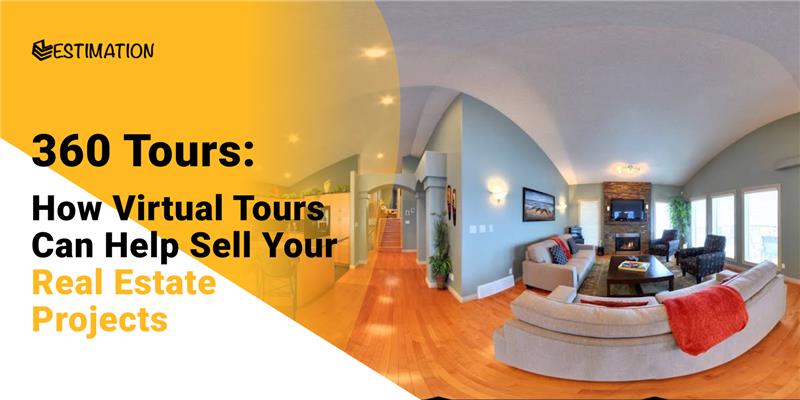
The real estate industry has undergone a dramatic transformation with the introduction of 360 virtual tours, which have fundamentally changed how properties are marketed to potential buyers. These advanced marketing tools create amazing experiences that far surpass what traditional photography can offer. These tools allow real estate professionals worldwide to accelerate sales by enabling buyers to explore properties from the comfort of their own homes.
Modern buyers have evolved beyond accepting static images as sufficient for making major purchasing decisions. Today’s real estate marketing strategies must meet heightened expectations, and 360 virtual tours for real estate provide the comprehensive property exploration experiences that buyers now demand. These virtual environments allow prospective buyers to navigate through spaces naturally, examining every detail at their own pace while eliminating the scheduling conflicts and travel barriers that often complicate the traditional house-hunting process.
The technology transforms the entire discovery process, enabling interested buyers to explore listings 24/7 from anywhere in the world. This accessibility builds emotional connections between buyers and properties before any physical visits occur, fundamentally changing how people approach real estate decisions.
Advanced camera systems capture every angle, texture, and spatial relationship with remarkable accuracy, transporting viewers directly into properties without requiring physical presence. The 3D property viewing technology showcases room layouts, natural lighting, and architectural features in ways that help buyers immediately understand space flow and functionality.
Moreover, digital walkthroughs excel at highlighting unique selling points through guided navigation and interactive hotspots that draw attention to special features. Real estate professionals in major markets including Miami, San Francisco, and Toronto have reported significant engagement increases, with 360 virtual tours generating 300% more qualified inquiries compared to traditional listings.
Virtual tour implementation dramatically benefits real estate sales by helping qualified prospects emerge faster when they can thoroughly pre-explore properties online. This technology makes property showcasing more efficient, allowing agents to spend their valuable time with genuinely interested buyers rather than casual browsers who haven’t done their research.
The reduction in unnecessary property visits means that when buyers do arrive for in-person showings, they’re well-informed and ready to make decisions quickly. Interactive property tours build stronger emotional connections than static presentations because viewers can imagine living in the spaces when they control their exploration experience.
The data speaks for itself, while traditional photos generate only a 45% engagement rate with 12 leads per month and an 8% sales conversion, 360 virtual tours for real estate achieve an 87% engagement rate, produce 38 leads monthly, and convert at 24% – a three-fold improvement in sales performance.
Distance limitations become irrelevant when 360 virtual tours for real estate enable international buyers to explore properties without expensive travel requirements. This technology particularly serves relocating professionals effectively, making corporate transfers smoother when employees can preview housing options virtually before making major life decisions.
Similarly, the expanded reach allows real estate marketing to access broader audiences through virtual accessibility. It enables remote buyers to participate actively in competitive market situations. Digital walkthroughs provide exceptional value in the luxury property segment, where high-end buyers typically conduct extensive research before scheduling exclusive showings.
Modern virtual tour technology incorporates advanced features that extend far beyond basic navigation capabilities. Interactive floor plans, measurement tools, and room-specific information enhance user experiences, while advanced integration with existing marketing platforms enables social media sharing that increases exposure across multiple digital channels simultaneously.
The 3D property viewing systems capture accurate measurements and spatial relationships, which builds buyer trust when technical precision becomes evident throughout their virtual experience. Customizable hotspots allow sellers to strategically emphasize unique selling points throughout the virtual tour, ensuring that key features receive appropriate attention.
Virtual tour investments allow real estate marketing budgets to stretch significantly further because a single production can serve multiple marketing campaigns across various platforms. Property showcasing costs decrease substantially compared to traditional marketing methods. However, virtual tours eliminate the need for repeated photography sessions and staging expenses.
Real estate teams maximize their productivity through virtual pre-qualification processes. They focus their energy on serious buyers rather than casual property tourists. The technology provides measurable analytics and engagement metrics that allow marketing professionals to track viewer behavior and optimize their presentations for better results.
The mobile-first approach of modern 360 virtual tours ensures excellent performance on smartphones, where users can navigate properties effortlessly through intuitive touch controls. Digital walkthroughs automatically adapt to different screen sizes and internet connections, eliminating technical barriers by loading quickly and smoothly regardless of the device or connection quality.
Property visualization quality remains consistently high across desktop, tablet, and mobile platforms, ensuring that buyers enjoy identical experiences regardless of their chosen devices. This consistency becomes increasingly important as real estate buyers rely more heavily on mobile devices for property research.
These virtual tours complement traditional real estate sales methodologies perfectly, with virtual exploration preparing buyers for more productive in-person meetings. Interactive property tours provide valuable talking points for sales conversations, allowing agents to reference specific virtual tour elements during negotiations and discussions.
The 3D property viewing data helps agents qualify buyer interest levels more accurately, as analytics reveal which properties generate genuine engagement versus casual browsing. This insight makes property showcasing more targeted when virtual tours identify buyer preferences.
Virtual tour technology provides detailed engagement analytics and viewer behavior insights that allow property managers to track which features attract the most attention. Real estate marketing campaigns benefit from comprehensive performance data, with virtual tour metrics guiding future property presentation strategies more effectively.
The measurable ROI generated through increased lead quality demonstrates clear investment returns consistently, while digital walkthroughs reveal buyer preferences and decision-making patterns that make market research more accurate through virtual tour data analysis.
The continuous advancement of immersive virtual tours includes emerging technologies like augmented reality integration, with future developments promising to enhance realism and interactivity even further. Virtual tour technology becomes more affordable and accessible each year, enabling smaller real estate firms to access enterprise-level virtual tour capabilities that were previously cost-prohibitive.
Property visualization will soon incorporate artificial intelligence to create personalized experiences, with smart systems automatically customizing virtual tours based on individual buyer preferences and behavior patterns.
In conclusion, 360 virtual tours represent essential marketing tools in today’s competitive real estate landscape, where properties featuring virtual tours consistently sell faster and generate higher engagement rates than traditional marketing approaches. The evidence clearly demonstrates that property visualization directly impacts sales success, making 360 virtual tours the competitive edge that real estate professionals need to thrive in modern markets.
Ez Estimates emerges as the ultimate solution provider in this transformative space, delivering modern virtual tour technology that combines stunning visual quality with seamless user experiences, empowering real estate professionals to showcase properties with unprecedented impact and drive exceptional sales results.










EZ Estimation is a professional consultancy specializing in providing construction cost estimates. The company is offering construction cost estimating and take off services to the general contractors, engineering firms, developers, subcontractors, owners and investors.

SERVICES
Contact Info
© 2025, ezestimation All rights reserved