Turnaround Time 24-48 Hours!

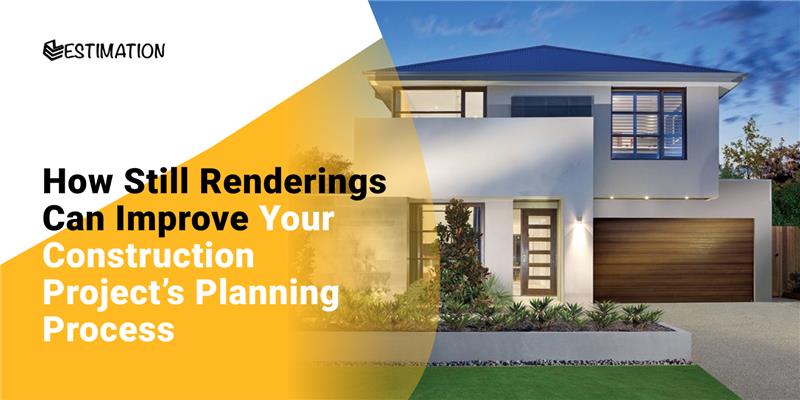
Still renderings in construction have transformed how architects, engineers, and project managers approach complex building projects. These powerful visualization tools eliminate guesswork and create crystal-clear project roadmaps. Nowadays, modern construction projects demand precision. Every detail matters when millions of dollars hang in the balance.
Still renderings in construction serve as digital blueprints that breathe life into technical drawings. Unlike traditional 2D plans, these images showcase exactly how finished projects will appear. Construction teams across major cities like New York, Los Angeles, and Chicago rely heavily on these visualization methods. Project planning tools have evolved beyond basic sketches and CAD drawings.
Moreover, 3D still images capture lighting, textures, materials, and spatial relationships with stunning accuracy. Stakeholders grasp project scope immediately without interpreting complex technical documentation. The evolution of architectural renderings marks a significant shift in industry standards. Professional teams now expect photorealistic quality that rivals actual photography. Therefore, still renderings have completely revolutionized construction project planning excellence.
Construction visualization bridges communication gaps between diverse project stakeholders. Architects speak different languages than contractors, while clients often struggle with technical terminology. Visual project communication eliminates misunderstandings before construction begins. Nowadays, tems identify potential conflicts early, saving thousands in change orders and delays.
Moreover, design presentation becomes compelling when clients see photorealistic images. Decision-makers approve projects faster when they understand exactly what they’re purchasing. Effective construction visualization transcends language barriers entirely. International development projects benefit tremendously from universal visual communication methods.
Construction planning accuracy improves dramatically when teams utilize high-quality renderings. These images reveal design flaws before foundation work begins.
Traditional planning methods often miss critical details. However, still renderings in construction expose every angle, shadow, and material interaction. Pre-construction visualization allows teams to test different scenarios digitally. They experiment with lighting, materials, and layouts without physical modifications.
Advanced rendering services incorporate precise measurements and engineering specifications. Every pixel represents accurate dimensional relationships and material properties.
Planning Method | Accuracy Rate | Communication Effectiveness | Cost Savings |
Traditional 2D Plans | 65% | Moderate | 10-15% |
Still Renderings | 92% | High | 25-35% |
Basic 3D Models | 78% | Good | 18-25% |
Interactive Renderings | 95% | Excellent | 35-45% |
Client approvals accelerate when presentations include compelling visual elements. Static images convey design intent more effectively than lengthy written descriptions. Architectural renderings showcase proposed buildings within existing neighborhoods. Clients visualize how new structures complement surrounding architecture and landscapes.
Furthermore, rendering services help secure project financing and investors understand proposals better when they see realistic representations of finished developments. Design presentation materials featuring high-quality renderings command higher perceived value. Clients willingly invest more when they clearly understand proposed benefits.
Still renderings in construction reveal potential issues during initial planning phases. Teams spot structural conflicts, mechanical interferences, and aesthetic problems early. Construction visualization exposes how different building systems interact. Similarly, HVAC ducts, electrical conduits, and plumbing lines become visible within wall cavities.
Additionally, project planning tools help coordinate trades more effectively. Subcontractors understand their scope when they see detailed visual representations. Complex mechanical, electrical, and plumbing (MEP) systems require careful coordination. 3D still images prevent costly conflicts between intersecting building components.
3D still images facilitate accurate material takeoffs and cost estimates. Quantity surveyors calculate precise measurements from detailed renderings. Design presentation showcases various material options side-by-side. Clients compare costs, aesthetics, and performance characteristics before making final selections.
Moreover, architectural renderings also help negotiate better pricing with suppliers. Vendors understand exact requirements when provided with detailed visual specifications. Construction planning accuracy extends to procurement strategies and teams order correct quantities and specifications when working from detailed visual documentation.
Modern rendering services integrate seamlessly with Building Information Modeling (BIM) platforms. Teams maintain single sources of truth throughout project lifecycles. Construction planning accuracy benefits from real-time updates. Changes propagate automatically across all project documentation and visualizations.
Pre-construction visualization software connects with scheduling applications. Project managers align visual milestones with construction timelines effectively. Cloud-based project planning tools enable real-time collaboration across geographic boundaries. Remote teams access updated renderings instantly from any location.
Still renderings in construction establish quality benchmarks before work begins. Field teams reference images throughout construction phases. Visual project communication ensures everyone works toward identical goals. Misaligned expectations disappear when teams share common visual references.
Construction visualization documents design intent permanently. These records become valuable during warranty periods and future renovation projects. Quality assurance inspectors use architectural renderings as reference standards. They verify completed work matches approved design specifications exactly.
Still renderings in construction showcase sustainable design features effectively. Clients understand green building benefits when they see solar panels, green roofs, and energy-efficient systems.
Construction visualization demonstrates environmental impact mitigation strategies. Stakeholders appreciate erosion control, stormwater management, and landscape preservation efforts.
Design presentation materials highlight LEED certification features prominently. Building owners understand long-term operational cost savings through visual documentation.
Smart construction companies track construction planning accuracy improvements after implementing rendering workflows. Most report 30-40% reductions in change orders. Client approvals happen 50% faster when presentations include high-quality 3D still images. Sales cycles shorten significantly with compelling visual materials.
Project planning tools that incorporate renderings reduce overall project timelines. Teams make decisions faster when they clearly understand proposed solutions. Thus, return on investment calculations consistently favor rendering services adoption. Initial technology investments pay for themselves within 6-12 months typically.
Successful rendering services implementation requires strategic planning. Companies should invest in quality hardware, software, and training programs. Similarly, design presentation workflows need standardization across project teams. Consistent deliverables improve client experiences and internal efficiencies.
Moreover, architectural renderings should complement, not replace, traditional documentation. Teams achieve best results when combining multiple communication methods. Staff training programs ensure consistent construction visualization quality. Skilled operators produce professional results that enhance company reputations significantly.
Still renderings in construction help identify potential safety hazards during planning phases. Teams address dangerous conditions before workers arrive on-site.
Insurance companies increasingly recognize pre-construction visualization benefits. Some providers offer premium discounts for projects utilizing comprehensive rendering workflows.
Visual project communication documents safety planning efforts. These records demonstrate due diligence during accident investigations and litigation proceedings.
In a nutshell, still renderings in construction represent essential project planning tools for modern building projects that fundamentally transform how construction teams approach complex developments. These powerful construction visualization methods significantly improve accuracy, enhance stakeholder communication, and accelerate critical decision-making processes that determine project success and profitability.
Companies implementing comprehensive rendering services gain substantial competitive advantages in today’s demanding construction marketplace, where visual project communication becomes their secret weapon for delivering exceptional results consistently and exceeding client expectations. EZ Estimation stands as the ultimate solution provider in this space, offering industry-leading still rendering services. They combine modern technology with deep construction expertise to deliver photorealistic visualizations that set new standards for project planning and client engagement.










EZ Estimation is a professional consultancy specializing in providing construction cost estimates. The company is offering construction cost estimating and take off services to the general contractors, engineering firms, developers, subcontractors, owners and investors.

SERVICES
Contact Info
© 2025, ezestimation All rights reserved