Turnaround Time 24-48 Hours!
In the dynamic world of home construction, success hinges on one critical factor: accurate residential estimation. Whether you’re a seasoned contractor or an emerging home builder, mastering the art and science of construction cost estimation can mean the difference between profitable projects and financial setbacks. This comprehensive guide explores how precise residential cost estimating transforms chaotic construction projects into well-orchestrated, profitable ventures.
Understanding the Foundation of Residential Estimation
Residential estimation services as the cornerstone of successful home construction projects. It’s far more than simply adding up material costs and labor hours. Effective home construction budgeting requires a systematic approach that considers every aspect of the building process, from initial site preparation to final inspections.
Moreover, modern estimating services have evolved beyond traditional methods, incorporating advanced technology and data analytics to deliver unprecedented accuracy. Professional estimators now utilize sophisticated software that can process residential takeoffs with remarkable precision, accounting for material waste, labor productivity variations, and regional cost fluctuations.
The complexity of today’s home designs demands equally sophisticated estimation techniques. Custom architectural features, energy-efficient systems, and smart home technologies all contribute to the intricate puzzle of house construction costs. Successful builders recognize that investing in comprehensive estimation processes pays dividends throughout the entire construction lifecycle.
The Strategic Importance of Accurate Home Builder Estimates
Home builder estimates form the foundation of client relationships and project profitability. When estimates accurately reflect true construction costs, builders can confidently bid on projects, knowing their margins are protected while remaining competitive in the marketplace. Conversely, underestimated costs can quickly transform profitable ventures into financial disasters.
Professional budget planning begins with detailed project analysis. Experienced estimators examine architectural plans with forensic precision, identifying potential challenges before they become costly surprises. This proactive approach enables builders to address complex construction scenarios during the planning phase rather than scrambling for solutions mid-project.
Similarly, the ripple effects of accurate estimation extend beyond individual projects. Builders who consistently deliver projects on budget build reputations for reliability and professionalism. This reputation translates into repeat business, referrals, and the ability to command premium pricing for superior service delivery.
Essential Components of Comprehensive Residential Cost Estimating
Effective residential cost estimating encompasses multiple interconnected elements that collectively determine project success. Material costs represent the most visible component, but experienced estimators understand that labor costs, equipment expenses, and overhead allocation require equal attention.
Labor cost estimation presents unique challenges in residential construction. Unlike commercial projects with standardized crews, home construction often requires specialized tradespeople for custom features. Accurate labor estimation must account for skill level variations, local wage rates, and productivity factors specific to residential work environments.
Construction cost control begins during the estimation phase. Smart estimators build contingencies into their calculations, accounting for material price volatility, weather delays, and unforeseen site conditions. These contingencies aren’t pessimistic padding but rather realistic acknowledgments of construction industry realities.
Technology's Transformative Impact on Residential Takeoffs
Modern residential takeoffs leverage cutting-edge technology to achieve unprecedented accuracy and efficiency. Digital blueprint analysis software can automatically calculate material quantities, reducing human error while dramatically accelerating the estimation process. This technological evolution enables estimators to analyze multiple design iterations quickly, supporting value engineering discussions with clients.
Cloud-based estimation platforms facilitate real-time collaboration between estimators, project managers, and suppliers. This connectivity ensures that cost data remains current and accurate, reflecting the latest market conditions and material availability. The result is more reliable estimates that form the foundation of successful project delivery.
Advanced estimation software also provides valuable historical data analysis capabilities. Builders can analyze past project performance, identifying patterns in cost overruns and developing more accurate future estimates. This continuous improvement approach transforms estimation from guesswork into data-driven science.
Developing Systematic Approaches to Home Building Planning
Successful home building planning requires structured methodologies that ensure no critical elements are overlooked. Professional estimators develop comprehensive checklists that address every construction phase, from site preparation through final cleanup. These systematic approaches reduce the likelihood of costly omissions while improving overall estimate accuracy.
However, effective planning also involves detailed timeline development. Accurate residential estimates must consider project scheduling, as construction duration directly impacts labor costs, equipment rental expenses, and overhead allocation. Realistic scheduling prevents the cost escalation that occurs when projects extend beyond planned completion dates.
Risk assessment forms another crucial component of comprehensive planning. Experienced estimators identify potential project risks during the planning phase, developing mitigation strategies that protect both schedules and budgets. Thus, this proactive approach prevents minor challenges from becoming major cost overruns.
Best Practices for Maintaining Construction Cost Control
Construction cost control extends far beyond initial estimation, requiring ongoing monitoring and adjustment throughout project execution. Smart builders implement tracking systems that compare actual costs against estimates in real-time, enabling prompt corrective action when variances emerge.
Regular cost reporting provides stakeholders with transparent project status updates. These reports facilitate informed decision-making when change orders arise or when market conditions impact material costs. Moreover, transparency builds client trust while protecting contractor margins through clear communication about cost impacts.
Quality Assurance in Estimating Services
Professional estimating services implement rigorous quality assurance processes that verify calculation accuracy and completeness. Multiple review stages catch errors before estimates reach clients, protecting both contractor reputation and project profitability. These quality controls become increasingly important as project complexity grows.
Peer review processes provide valuable error-checking capabilities. Fresh eyes often identify oversights that original estimators might miss, while cross-verification of calculations ensures mathematical accuracy. This collaborative approach improves overall estimation quality while providing professional development opportunities for junior team members.
Future Trends in Residential Estimation
The residential estimation industry continues evolving, driven by technological advancement and changing construction methodologies. Artificial intelligence and machine learning algorithms increasingly support estimation processes, analyzing vast databases of historical project data to improve accuracy predictions.
Moreover, Building Information Modeling (BIM) technology revolutionizes how estimators interact with project designs. Three-dimensional models provide unprecedented detail clarity. It enables more accurate quantity calculations and better visualization of construction challenges. This enhanced understanding translates directly into improved estimate accuracy.
Conclusion
In conclusion, mastering residential estimation is a powerful competitive advantage that protects profit margins and builds client trust through accurate, reliable project delivery. As construction complexity increases, professional estimation expertise is no longer optional, it’s essential.
EZ Estimation supports builders through precise residential estimating solutions that improve project outcomes, enhance client satisfaction, and drive sustainable growth. Builders who invest in accurate estimation, continuous improvement, and the right expertise position themselves for long-term success in today’s competitive residential construction market.
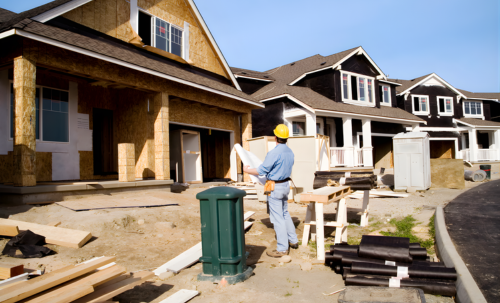
Residential Estimation
We provide home construction estimates from single-family houses through multi-family developments and renovation projects.